Couples Therapy & Relationship Counseling in Louisiana
When a relationship feels strained, it is easy to become caught in the same cycle: one person pursues, the other pulls away; a conversation turns into an argument before either of you feels heard; trust feels fragile; intimacy becomes difficult to talk about; or both of you begin wondering whether the relationship can truly change.
Couples therapy offers a structured space to slow those patterns down, understand what is happening beneath the conflict, and begin building a more honest, connected way forward. I work with adult couples who want support with communication, emotional distance, conflict, trust, intimacy, life transitions, and the lasting impact of individual or relational trauma.
My approach integrates Gottman Method Couples Therapy, trauma-informed treatment, nervous-system awareness, and sex-therapy-informed support.
The goal is not to determine who is right. It is to help you better understand the relationship you are creating together and make meaningful changes that reach beyond the therapy room.
Couples Therapy Intensives Coming Soon
✳︎
Couples Therapy Intensives Coming Soon ✳︎

You may be experiencing:
Repeated arguments that never seem resolved
Emotional distance, loneliness, or loss of connection
Communication that feels defensive, tense, or unproductive
Difficulty repairing after conflict
Trust concerns, secrecy, or lingering hurt
Changes in intimacy, desire, or sexual connection
Unequal emotional labor or resentment
Parenting stress, family-of-origin tension, or major life transitions
The impact of trauma, anxiety, burnout, grief, or past experiences on the relationship
Uncertainty about how to move forward together
These concerns do not mean your relationship is beyond repair. They are often signs that the current way of relating is no longer working, and that both of you need a different structure for understanding, communicating, and reconnecting.
When a Relationship Feels Stuck…
Most couples do not come to therapy because they have one isolated disagreement. They come because the same concerns keep returning, even when both people genuinely want things to be different.
The argument you are having may
not be the real issue.
A disagreement about chores, money, sex, parenting, time together, or communication often carries deeper questions underneath it: Do you see me? Can I trust you? Am I important to you? Are we safe with each other when things are hard?
In couples therapy, we look beyond the surface-level conflict to understand the pattern that keeps taking over. We identify what happens before the argument escalates, how each partner responds under stress, what both people may be protecting, and where connection breaks down.
This does not mean every conflict has a simple answer. It means you can begin responding with more awareness and less reactivity.
Our work may include strengthening communication, practicing repair, addressing unresolved hurt, learning how to manage conflict more effectively, rebuilding trust, and creating space for conversations that have felt too charged or difficult to have alone.
How I Work With Couples
Therapy with me is warm, direct, and structured. I create space for both partners to feel heard while also helping you move beyond conversations that have become repetitive, defensive, or emotionally exhausting.
I do not see my role as deciding who is right or taking sides. My role is to understand the relationship dynamic, name the patterns that are creating pain, and help both partners develop more effective ways of relating.
That may include:
Identifying recurring conflict cycles
Building communication that is more clear and less reactive
Strengthening emotional attunement and repair
Addressing patterns of withdrawal, criticism, defensiveness, or escalation
Helping each partner understand how stress and past experiences affect the relationship
Exploring trust, boundaries, intimacy, and unmet needs
Supporting more intentional decisions about the future of the relationship
At times, therapy may feel tender or challenging. The goal is not to avoid every difficult conversation. It is to create enough safety, structure, and honesty for those conversations to become more productive.
Areas of Specialty in Couples Therapy
-
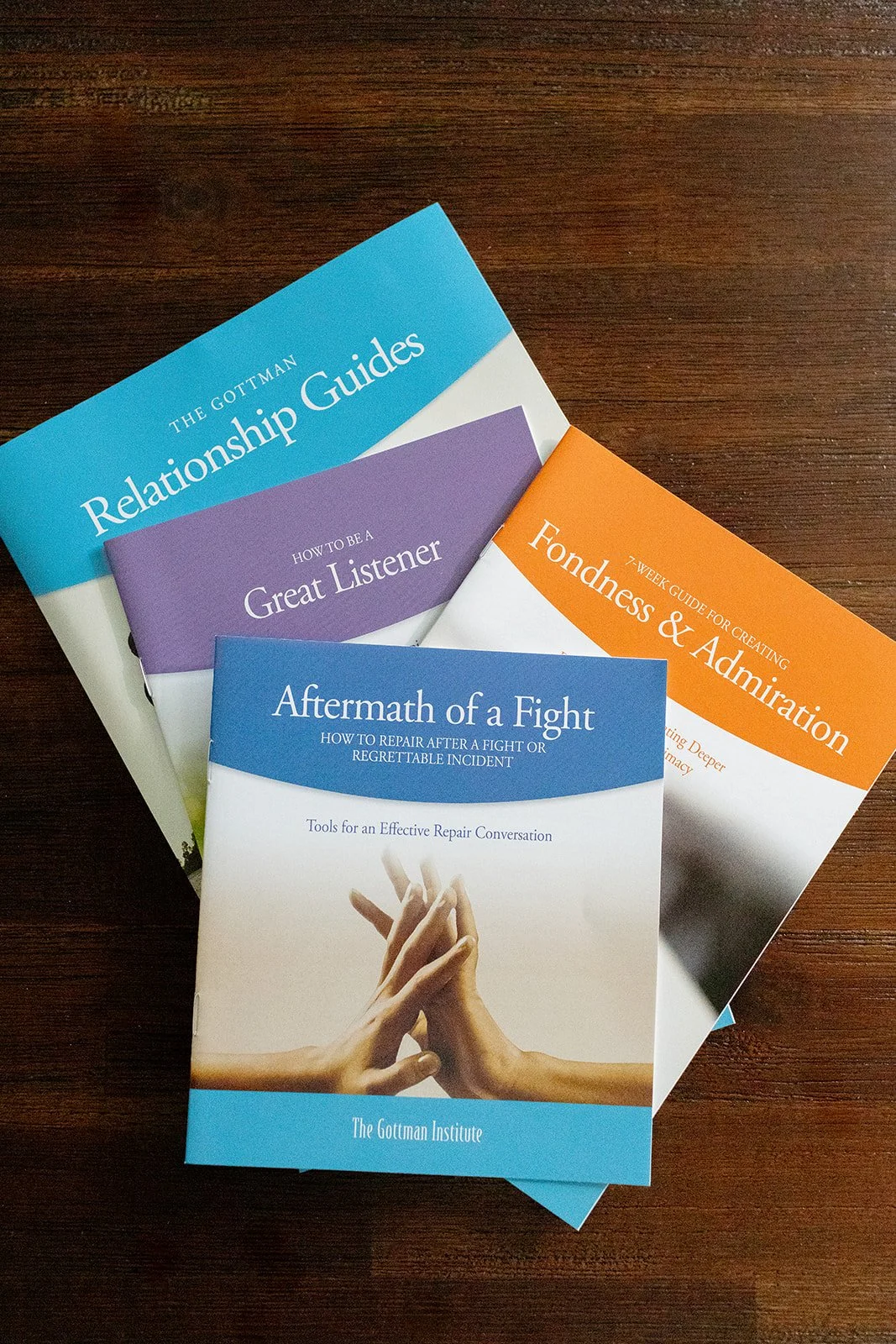
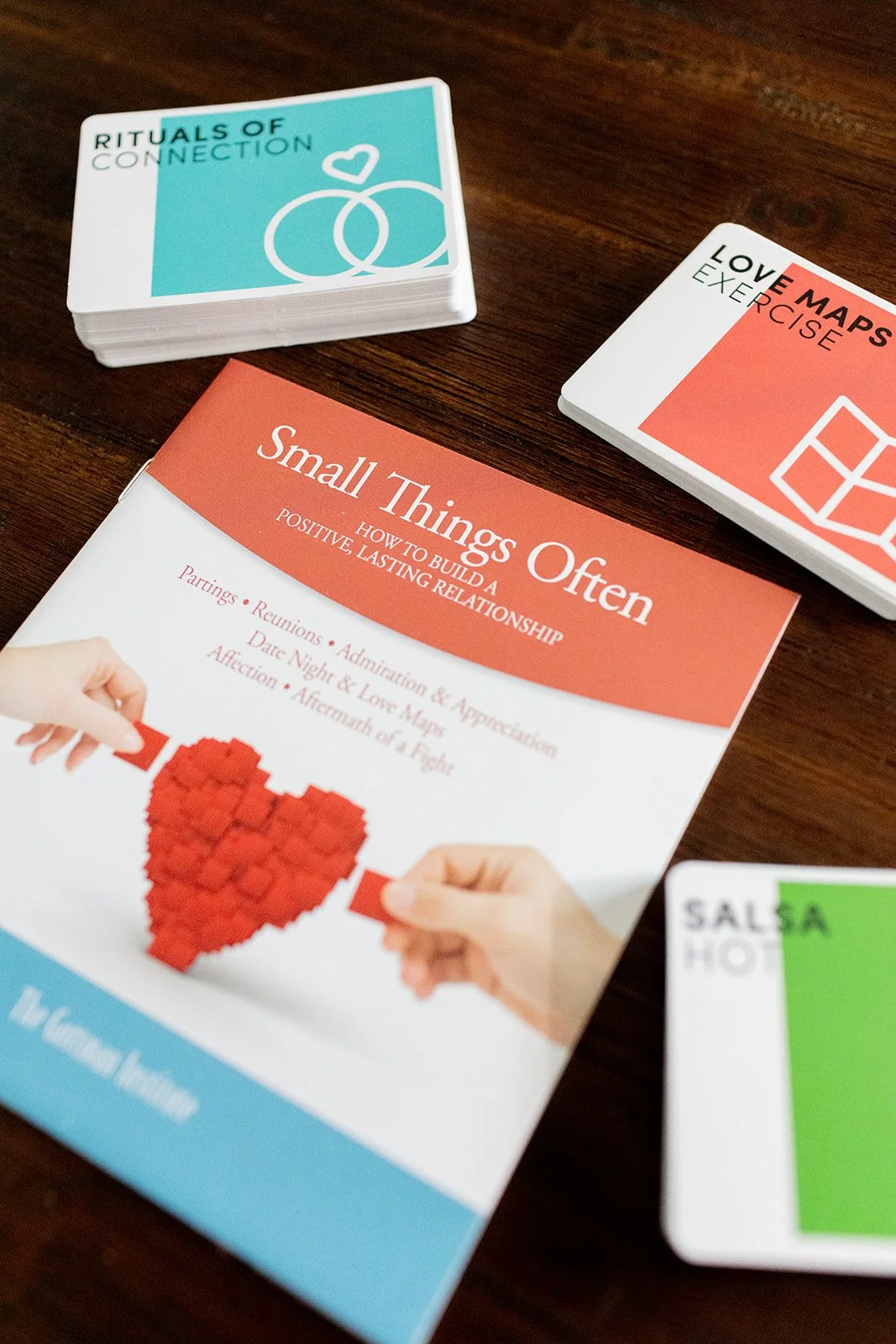
My couples work is informed by training in Gottman Method Couples Therapy, a structured, research-based approach that helps couples better understand the patterns affecting friendship, communication, conflict, trust, and shared meaning.
This work can help couples move away from criticism, defensiveness, contempt, withdrawal, and unresolved conflict patterns that erode connection over time.
In therapy, we may focus on strengthening:
Communication during difficult conversations
Emotional connection and responsiveness
Friendship, appreciation, and shared positive experiences
Conflict-management skills
Repair after hurt or rupture
Trust, commitment, and emotional safety
Shared goals for the relationship
The work is tailored to your relationship rather than delivered as a generic set of communication tips. We pay attention to the specific dynamic between you, the history that shaped it, and what both of you need in order to feel more connected and supported.
-
Intimacy concerns are common in long-term relationships, but they can be difficult to discuss without shame, defensiveness, or fear of hurting one another.
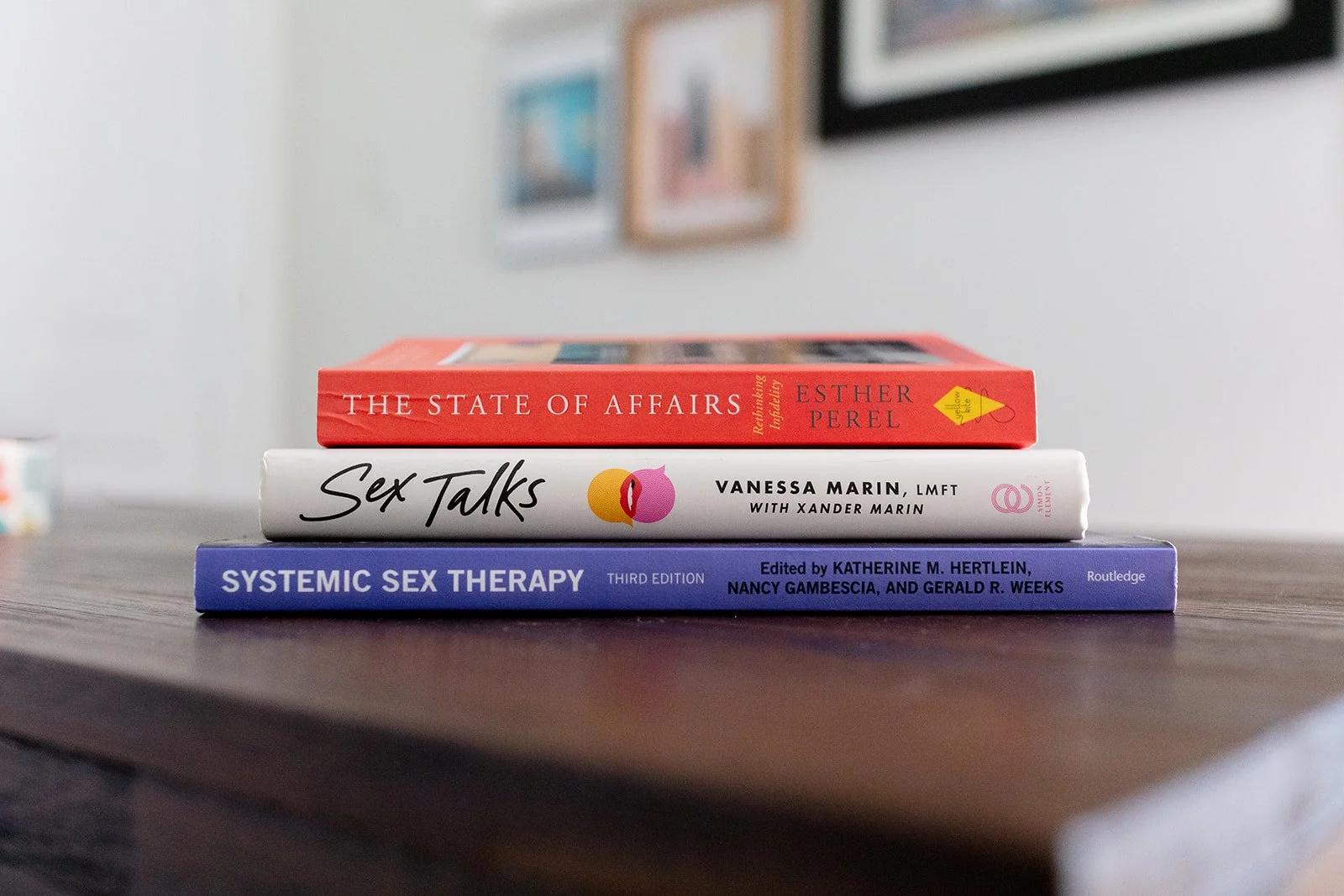
As a Certified Sex Therapy Informed Professional, I bring a nonjudgmental, informed lens to conversations about desire, emotional and physical intimacy, communication, boundaries, sexual concerns, and the impact of stress or trauma on connection.
Sexual wellbeing is often connected to emotional safety, trust, nervous-system regulation, self-image, resentment, communication, and the way partners respond to one another outside the bedroom.
This work is never about pressure, performance, or forcing a particular outcome. It is about helping both partners develop language, understanding, and connection around topics that may have felt difficult to name.
-
Relationship conflict does not happen in a vacuum.
Past experiences, family dynamics, betrayal, trauma, chronic stress, grief, anxiety, and nervous-system responses can all shape how someone communicates, handles conflict, experiences closeness, or responds when they feel vulnerable.
For example, one partner may shut down when conflict becomes intense, while the other becomes more urgent or critical in an attempt to feel heard. Neither response is automatically “the problem.” Often, both are protective strategies that unintentionally create more distance.
A trauma-informed approach helps us understand these responses with more compassion and precision. We can explore how individual histories may influence the relationship while still holding both partners accountable for the patterns they are creating together.

Couples Therapy Session Options & Fees
Couples therapy is offered in traditional and extended formats so there is enough time for both partners to participate meaningfully, explore the dynamic beneath the conflict, and leave with a clear sense of what comes next.
-
All couples therapy begins with a structured Gottman Couples Assessment. This initial process helps us move beyond the surface issue and gain a clearer understanding of your relationship’s strengths, areas of strain, communication patterns, and goals for therapy. You’ll receive a shared couples report with detailed information and tips that you can immediately use in your relationship.
The assessment includes joint and individual conversations, along with a research-informed relationship questionnaire. It allows us to create a focused treatment plan that is tailored to your relationship rather than relying on one-size-fits-all advice.
-
A 60-minute session may be appropriate for ongoing weekly relationship therapy, communication support, and focused work on a specific relationship concern.
-
A 120-minute session provides a more extended format for couples who would benefit from deeper exploration, more time for structured interventions, or additional space to address complex relationship dynamics.
-
For couples who want dedicated time to focus on their relationship without the stop-and-start rhythm of weekly sessions, Accelerated Therapy Intensives offer one to three days of focused, specialized care.
Couples intensives create extended space to understand recurring patterns, address disconnection, strengthen communication, explore trust and intimacy concerns, and build a clearer path forward. The work is paced thoughtfully, with structured breaks and intentional closure built into the experience.
A limited number of intensive appointments are available each year. Schedule a consultation to determine whether an intensive is appropriate for your relationship and current needs.
The best session length depends on your goals, the concerns you’re bringing to therapy, and the level of support your relationship needs. We can discuss the most appropriate format during your consultation.
Couples Therapy Frequently Asked Questions
-
No. My role is not to decide who is right or assign blame.
I work to understand the relationship dynamic, including the ways both partners may be contributing to patterns of conflict, distance, or disconnection. This includes making room for each person’s experience while also helping the relationship become more honest, respectful, and emotionally safe.
-
It is common for one partner to feel more ready than the other.
A consultation can be a low-pressure place to ask questions about the process, understand what couples therapy involves, and determine whether the approach feels like a fit. Therapy is most effective when both partners are willing to participate honestly, but willingness can grow when people feel respected rather than blamed or pressured.
-
Yes. Intimacy, desire, sexual concerns, and communication about sex can all be appropriate topics in couples therapy.
As a Certified Sex Therapy Informed Professional, I provide a thoughtful, nonjudgmental space for conversations about emotional and physical connection, boundaries, desire differences, sexual concerns, and the impact of stress or trauma on intimacy.
-
Couples therapy may help partners address the impact of an affair, betrayal, secrecy, broken agreements, emotional distance, or other ruptures in trust.
The process is not about rushing forgiveness or promising a specific outcome. It is about creating space for honesty, accountability, emotional safety, and clearer decisions about what repair would require.
-
There is no single timeline for couples therapy. I recommend a commitment to 6-12 months, with the understanding that flexibility in timeline is important.
Some couples benefit from focused work around a specific issue, while others need more time to address longstanding patterns, unresolved hurt, trust concerns, or major transitions. The pace depends on the concerns you are bringing in, both partners’ willingness to engage, and the goals you set together.
-
Yes. Couples therapy can be offered through secure telehealth when it is clinically appropriate for your relationship and circumstances.
For telehealth sessions, each partner should have a private, reliable space to participate fully. We will also talk about expectations around privacy, interruptions, and how to create enough structure for both people to feel heard during the session.
Begin Couples Therapy With More Clarity and Connection
You do not have to keep repeating the same cycle or carrying the weight of the relationship alone.
A consultation is a chance to talk about what has been difficult, ask questions about the therapy process, and determine whether couples therapy or an Accelerated Therapy Intensive is the right next step for you.