EMDR Therapy & Trauma Therapy in Louisiana
You may know that something from the past is still affecting you, even if you have worked hard to move forward.
Trauma can show up as anxiety, overthinking, emotional shutdown, people-pleasing, relationship struggles, difficulty trusting, intense reactions, or a persistent feeling that your body is still on alert. You do not have to explain every detail perfectly or carry it alone in order to begin healing.
I offer EMDR and trauma therapy for adults seeking thoughtful, specialized support for PTSD, complex trauma, distressing life experiences, and the patterns that continue to shape daily life. Our work is paced carefully, grounded in nervous-system-informed care, and designed to help you move toward more stability, choice, and connection.
Trauma Can Continue to Affect the Present
Trauma is not defined only by what happened. It is also reflected in how an experience continues to live in your body, relationships, beliefs, and responses long after the immediate threat has passed.
You may notice that you understand something logically, yet your nervous system still reacts as though you are back in the same situation. You may feel safe with someone you love but struggle to trust them. You may want to set a boundary but freeze, overexplain, or feel overwhelmed when the moment arrives.
These responses are not signs that you are failing or “too sensitive.” They are often protective patterns that developed for a reason.
Trauma therapy creates space to understand those patterns, build more capacity for regulation, and address the experiences that continue to feel unresolved. Through EMDR and other trauma-informed approaches, we work toward reducing the hold that past experiences have on your present life.
What is EMDR?
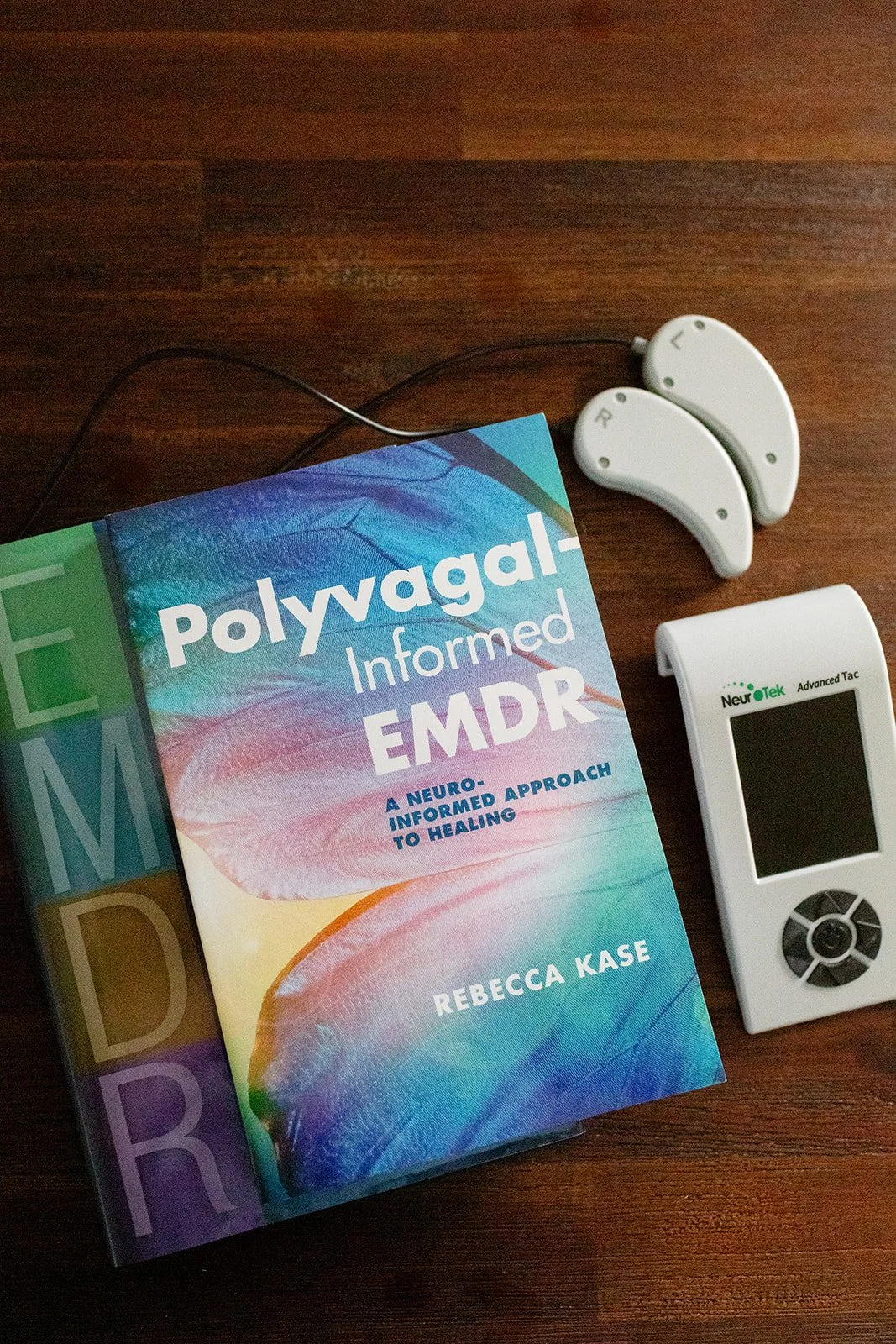
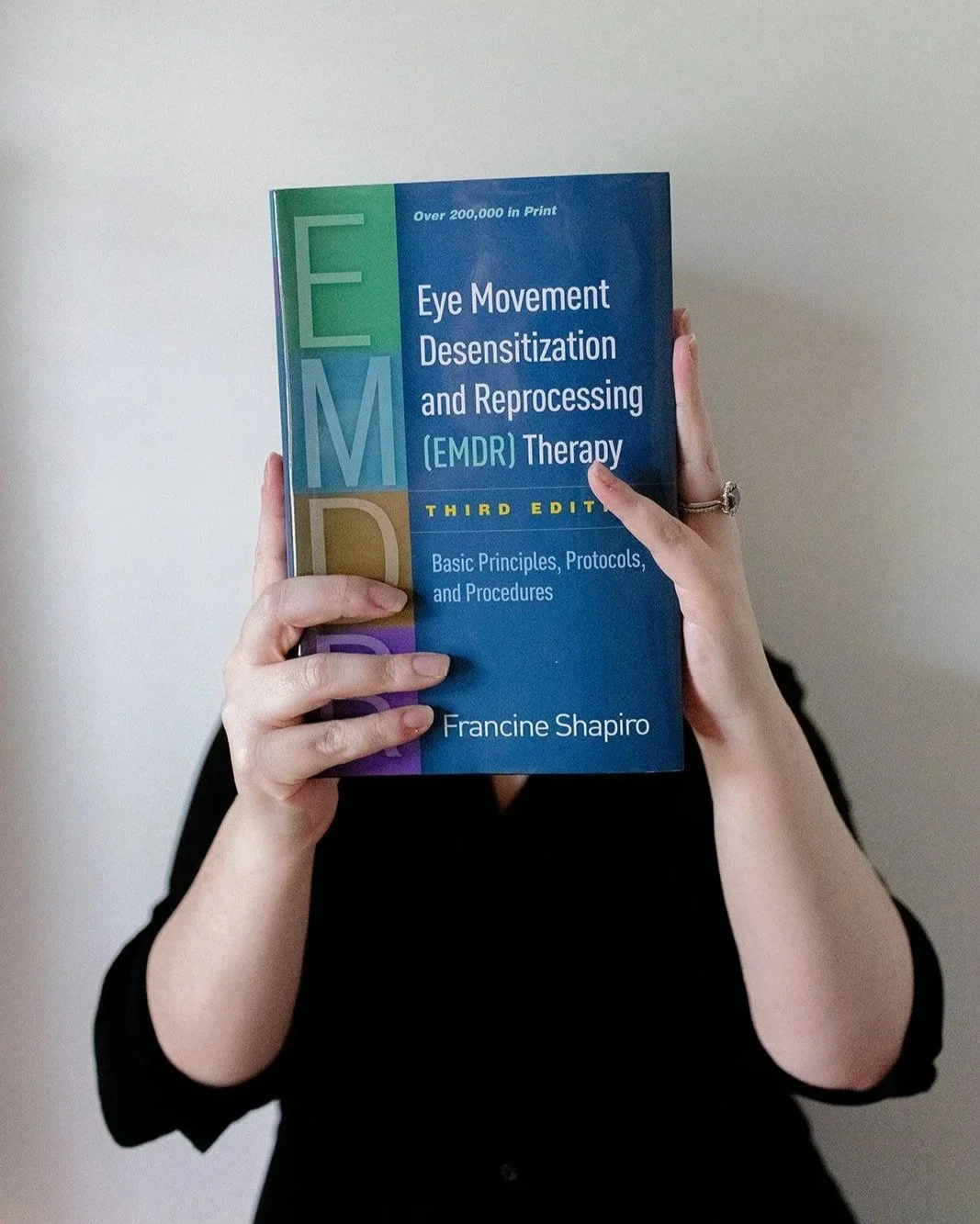
EMDR stands for Eye Movement Desensitization and Reprocessing. It is a structured approach to trauma therapy that helps the brain and body reprocess distressing experiences that may still feel emotionally charged, overwhelming, or unfinished.
During EMDR, and after appropriate preparation and resource building, we use bilateral stimulation, such as guided eye movements, alternating taps, or sound, while you briefly focus on specific memories, beliefs, emotions, or body sensations connected to what you have experienced.
The purpose is not to erase your memories or convince you that what happened did not matter. The goal is to help the experience become less activating and less controlling in the present.
Over time, clients may notice that memories feel less immediate, triggering situations feel more manageable, and old beliefs such as “I am not safe,” “It was my fault,” or “I have to handle everything alone” begin to lose their hold.
EMDR is not a one-size-fits-all process. Treatment is tailored to your history, your current stressors, your goals, and the level of support your nervous system needs before deeper reprocessing begins.
Addressing Common Misconceptions
You Do Not Have to Relive Your Trauma
A common concern is that EMDR requires you to fully relive a traumatic experience or become overwhelmed in order for healing to happen.
That is not the goal and a skilled EMDR therapist is equipped to adequately prep you and your nervous system to feel and be safe along the way.
EMDR involves noticing memories, emotions, body sensations, or beliefs connected to what happened. However, therapy is paced carefully, with preparation and grounding built into the process. We are not trying to flood your system or force you to recount the most painful parts of your history before you are ready.
You Do Not Have to Tell Me Every Detail
You do not need to give a complete, chronological account of everything that happened in order to benefit from EMDR. In fact, I’ve completed EMDR successfully with clients who have chosen to keep the most painful parts of their experiences to themselves.
Context can be important for treatment planning, safety, and understanding what you want to address. Still, EMDR does not require detailed storytelling as the primary pathway to healing. We can work with the pieces of your experience that feel most relevant and manageable.
EMDR Is More Than Eye Movements
Eye movements are one possible form of bilateral stimulation, but they are not the entire therapy.
EMDR is a structured treatment process that includes history-taking, preparation, assessment, reprocessing, closure, and ongoing evaluation. The relationship we build, the preparation we complete, and the pace we establish are just as important as the method itself.
EMDR Is Not About “Getting Over It”
The goal is not to minimize what happened or pressure you to move on before you are ready.
The goal is to help the past take up less space in your present so you can respond with greater freedom, clarity, and choice.
Who Benefits from EMDR Therapy?

PTSD or trauma-related symptoms
Complex trauma or longstanding relational wounds
Childhood emotional neglect, abuse, or instability
Sexual trauma or assault
Medical trauma, accidents, or unexpected loss
Anxiety, panic, hypervigilance, or intrusive memories
Shame, self-blame, or persistent negative beliefs about yourself
Relationship patterns shaped by past experiences
Emotional shutdown, numbness, or difficulty trusting
Experiences that “should be over” but still feel close to the surface
EMDR and trauma therapy may be a fit for adults who are navigating:

EMDR Therapy Sessions & Fees
EMDR therapy is available in traditional and extended formats so there is enough space for preparation, focused therapeutic work, and thoughtful closure.
-
A 50-60 minute session may be appropriate for trauma-informed weekly therapy, early EMDR preparation, stabilization work, treatment planning, or ongoing support between reprocessing sessions.
-
A 120-minute session provides a more extended format for focused EMDR work, especially when your treatment plan calls for additional time to prepare, reprocess, and return to a grounded state before leaving the session.
-
For clients who would benefit from more dedicated time, EMDR Accelerated Therapy Intensives offer one to three days of focused, individualized trauma treatment. Intensives include careful preparation, extended EMDR sessions, and intentional closure so the work is paced with both depth and stability in mind.
A limited number of intensive appointments are available each year. Schedule a consultation to determine whether this format is appropriate for your goals and level of support. Visit the Therapy Intensives page to learn more.
The best session length depends on your history, goals, current capacity, and where you are in the therapy process. We can discuss appropriate options during your consultation.
EMDR Therapy Frequently Asked Questions
-
There is no single timeline for EMDR therapy. Some concerns may be addressed in a focused number of sessions, while complex trauma, longstanding patterns, or multiple distressing experiences may require a more gradual approach.
The pace of therapy is shaped by your history, the goals we are working toward, the support available in your life, and the preparation your nervous system needs.
-
Trauma therapy can bring up emotions, memories, or body sensations that have been avoided or held at a distance. This does not automatically mean the process is going wrong.
We will talk openly about what to expect, monitor how you are responding, and build grounding and closure into the work. If something begins to feel too intense, we address it together rather than pushing through it.
-
No. You do not need to arrive with a complete narrative or feel ready to discuss every part of your history.
We begin where you are. Early sessions focus on understanding your current concerns, building trust, and establishing the stability needed for deeper work when and if it becomes appropriate.
-
EMDR is a structured therapy process, but it is not appropriate for every person at every moment. A careful assessment and preparation phase are important parts of determining whether EMDR is a good fit and when to begin.
My role is to help you approach trauma work with care, collaboration, and respect for your capacity, not to rush you into a process before adequate support is in place.
-
Yes. Trauma and relationship patterns are often connected. Individual trauma therapy may help you understand the ways past experiences affect trust, communication, conflict, closeness, boundaries, and self-worth.
For partners seeking support together, explore Couples & Relationship Therapy.
-
Yes! EMDR can be offered through secure telehealth when it is clinically appropriate for your needs and circumstances. Before beginning, we will make sure you have a private, comfortable space, a reliable internet connection, and a plan for grounding and support before and after sessions.
Telehealth EMDR still includes the same thoughtful preparation, pacing, and attention to nervous-system regulation as in-person work. During your consultation, we can discuss whether virtual EMDR is a good fit for your goals, current support, and level of stability.
Begin Trauma Therapy with Support That Respects Your Pace
You do not have to wait until you feel completely ready, completely calm, or able to explain everything perfectly.
A consultation is simply a place to begin. We can talk about what has been feeling difficult, what you hope will change, and whether EMDR and trauma therapy feel like the right next step.